
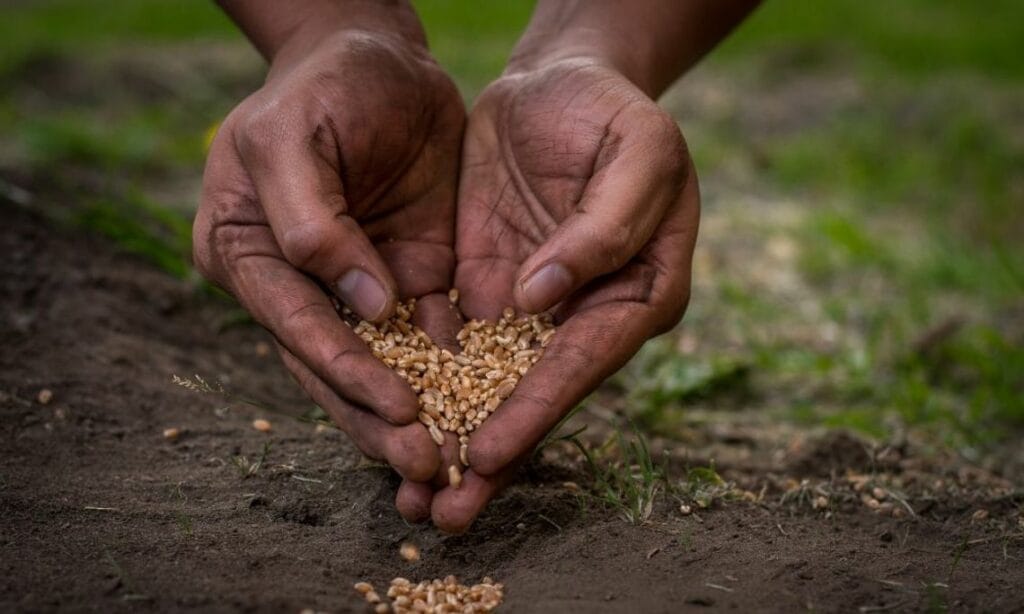
In the rural heartlands of Kenya, a quiet revolution has been unfolding with handfuls of multicoloured seeds. For generations, farmers have carefully preserved indigenous seeds, passing them from parent to child as a living inheritance. These seeds are drought-resistant, climate-adapted, and deeply woven into their cultural identity. Seeds represent far more than agricultural inputs, they are the very fabric of food sovereignty. Yet for over a decade, this sacred practice existed in the shadows, burdened by the weight of a law that treated traditional knowledge as contraband.
Kenya’s Seed and Plant Varieties Act (Cap. 326), first enacted in 1972 and significantly amended in 2012 and 2016, imposed severe penalties on farmers who saved, shared, or sold uncertified indigenous seeds. Offenders faced fines of up to KSh 1 million (approximately $7,700) and imprisonment of up to two years. The Kenya Plant Health Inspectorate Service (KEPHIS) was empowered to raid community seed banks, seize heirloom varieties, and inspect farmers’ stores without warrant . The Act’s architects argued it was necessary to guarantee seed quality, prevent counterfeit products and maximise yields. Yet for smallholder farmers who produce over 80 per cent of Kenya’s food say that the law felt less like regulation and more like criminalisation of their existence.
The 2012 amendments aligned Kenya’s seed laws with the 1991 Act of the International Convention for the Protection of New Varieties of Plants (UPOV 1991). Critics argue that this framework prioritises commercial breeders intellectual property rights over farmers customary practices. Under UPOV 1991, farmers rights to save and exchange seeds become optional exceptions at best; even where permitted, royalties may be owed to corporations.
The implications extended far beyond economics. Indigenous seed systems, which supply 80 to 95 per cent of planting material for smallholder farmers across Sub-Saharan Africa, were systematically marginalised. The law ignored the reality that these farmer-managed seed systems are the backbone of food security. It represents generations of agroecological knowledge, preserve biodiversity, and ensure resilience against climate change.
On November 27th, 2025, a High Court in Kenya ruled in favor of smallholder farmers that resonated across the whole continent. The court declared unconstitutional key sections of the Seed and Plant Varieties Act, including provisions that criminalised seed sharing and granted inspectors sweeping search and seizure powers. The court found that the law violated constitutional protections for culture, the right to food, and the right to non-discrimination.
Crucially, the court ruled that the legislation created an uneven playing field, granting extensive proprietary rights to plant breeders with no corresponding right given to farmers, favoring corporate interests over the rights of smallholders.
The mandatory merchant fees were deemed indirectly discriminatory, and inspectors’ powers were found to violate rights to privacy and fair administrative action.
The ruling has sent shockwaves far beyond its borders, it is a significant affirmation that human rights should prevail over restricting intellectual property and bounding cultural inheritance. Across Africa, similar battles are unfolding.
In Zimbabwe, the government faces pressure to align domestic seed laws with UPOV 1991 a move that peasant movements warn would criminalise traditional seed exchange and undermine the legacy of land reform. Meanwhile, the East African Community is considering a regional Seed and Plant Varieties Bill that critics say would replicate the restrictive provisions struck down in Kenya. Civil society organisations and farmer networks are pushing for amendments to protect farmers’ rights and ensure the final law supports resilient seed systems. The ruling freed farmers tethered to their indigenous roots from fear and laws that threatened their livelihood and existence.
Despite this incredible win for indigenous knowledge and sustainable agriculture, the struggle is far from over. Now, the seeds in the palm of farmers are no longer potential evidence in a criminal case, they are once again simply seeds that sustain life – an invaluable natural resource to be passed down to future generations along with their cultural significance.
The Kenyan judgement represents more than a legal victory it is a testament that food sovereignty begins with a seed. It showed what can be achieved when society works towards a common goal, for a sustainable future. It is a powerful affirmation that the future of African food sovereignty is in the hands of the people.
Congratulations to Kenyan farmers and who supported their voices heard! your boldness and endurance is inspirational.
—
This is one of the contents in our Bimonthly Newsletter, June edition. Please read more and subscribe in this Newsletter Page.
—
Image source:- viacampesina.org