
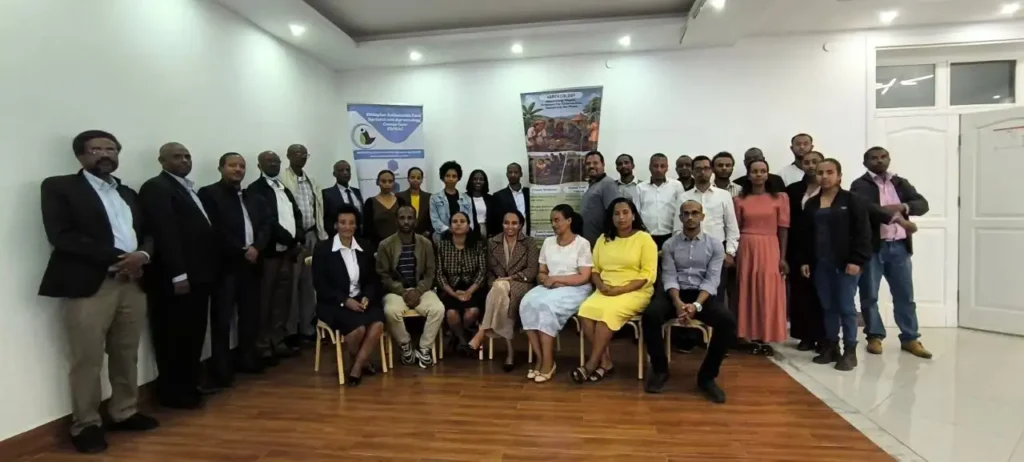
The Ethiopian Sustainable Food Systems and Agroecology Consortium (ESFSAC) organized a National Stakeholder Workshop on Familiarizing the Ethiopian National Agroecology Strategy for Food System Transformation (2026–2040) in Addis Ababa, on 17 June 2026, under the theme “Building Collaboration and Collective Action for Sustainable Food Systems Transformation in Ethiopia.”
The workshop brought together representatives from government institutions, civil society organizations, research and academic institutions, development partners, farmer organizations, and the private sector to strengthen understanding of the newly launched National Agroecology Strategy and explore pathways for its effective implementation.
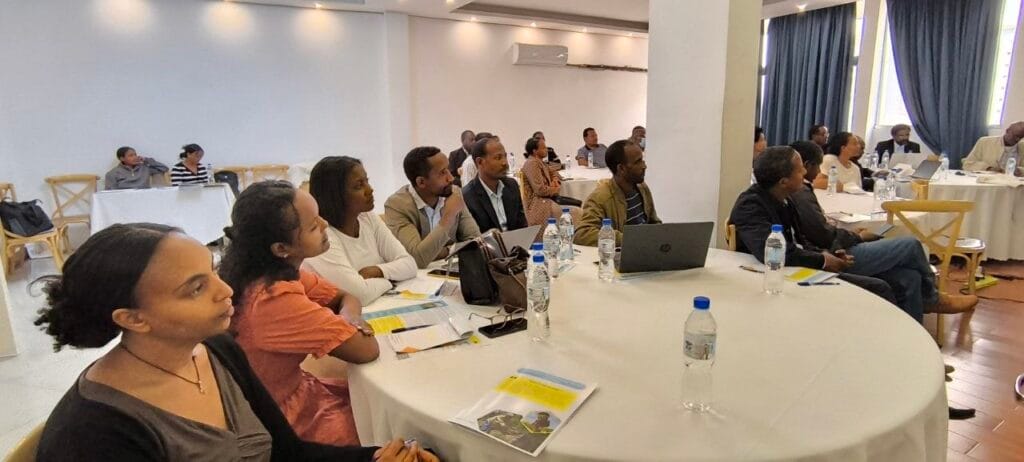
The event was organized by ESFSAC, in collaboration with Land for Life Ethiopia and with the support of DKA Austria, GIZ Ethiopia, and the Agroecology Fund, creating an important platform for dialogue, knowledge exchange, and partnership building around Ethiopia’s transition towards sustainable, resilient, and nutrition-sensitive food systems.
A National Roadmap for Sustainable Food Systems
The Ethiopian National Agroecology Strategy for Food System Transformation (2026–2040), recently launched by the Ministry of Agriculture, provides a long-term framework for promoting sustainable agriculture, restoring ecosystems, improving nutrition, strengthening climate resilience, and enhancing livelihoods across the country.
The strategy was developed through extensive consultation and engagement with a wide range of stakeholders and seeks to address interconnected challenges such as land degradation, biodiversity loss, climate change, food insecurity, and malnutrition. At the same time, it recognizes the importance of building on Ethiopia’s rich indigenous knowledge, diverse farming systems, and local innovations to achieve sustainable food systems transformation.
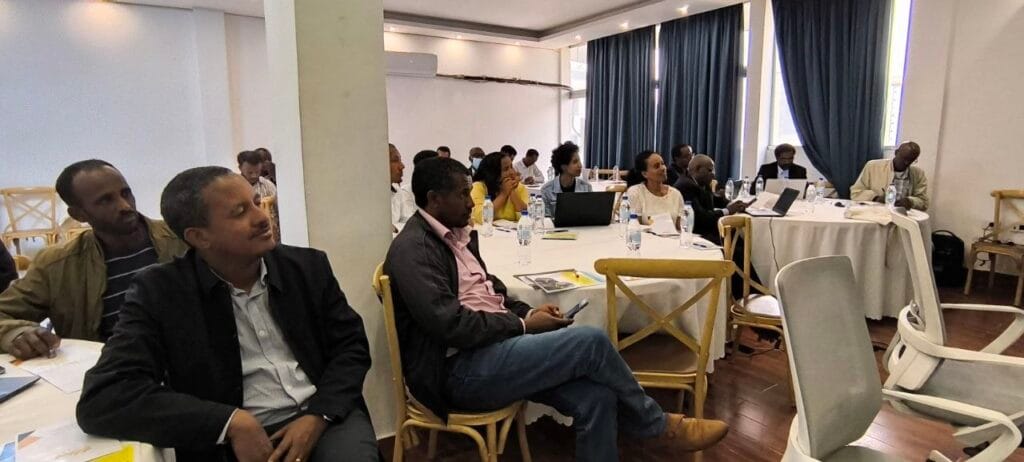
Participants noted that agroecology offers a practical pathway for transforming food systems by integrating ecological principles with social, economic, and cultural dimensions. Rather than focusing solely on agricultural production, agroecology promotes healthy ecosystems, diversified livelihoods, improved nutrition, and greater resilience for farming communities.
Strengthening Collaboration for Implementation
Throughout the workshop, participants emphasized that the successful implementation of the National Agroecology Strategy will depend on strong collaboration among government institutions, civil society organizations, research centres, development partners, the private sector, and farming communities.
Discussions highlighted the need for coordinated action, knowledge sharing, policy support, and sustained investment to ensure that agroecological approaches are effectively integrated into national and local development initiatives. Participants also stressed the importance of creating platforms that facilitate learning, partnership development, and collective action across sectors.
The workshop reinforced the understanding that transforming food systems requires more than technical solutions alone. It requires inclusive governance, shared ownership, and coordinated efforts among all actors working towards sustainable development goals.
Expert Panel Highlights Opportunities and Challenges
A panel discussion featuring experts from food systems, soil health, agronomy, plant protection, and nutrition explored key opportunities and challenges related to implementing the strategy.
The panel featured:
- Dr. Bayush Tsegaye, Food Systems Expert, ESFSAC
- Woubishet Demissie, Soil Health Expert, GIZ Ethiopia
- Atalo Belay, Agronomist and Plant Protection Expert, PAN Ethiopia
- Betelehem Lakew, Nutrition Expert, Lehem Nutrition Consultancy
The discussion underscored the importance of adopting integrated approaches that address agricultural productivity, environmental sustainability, nutrition, and livelihoods simultaneously.

Panelists highlighted soil health as a cornerstone of sustainable food systems and discussed the need to promote practices such as organic soil fertility management, crop diversification, integrated pest management, and agroecological farming methods that improve productivity while protecting natural resources.
The conversation also emphasized the critical link between agriculture and nutrition. Speakers noted that food systems should not only increase food production but also improve access to diverse, nutritious, and culturally appropriate foods. Agroecological approaches were presented as important tools for strengthening dietary diversity, supporting community health, and improving nutrition outcomes.
In addition, panelists discussed the importance of reducing post-harvest losses, strengthening local markets, promoting biodiversity, and enhancing resilience to climate-related shocks through sustainable farming practices.
ESFSAC’s Commitment to Agroecology
As a national consortium working to promote sustainable food systems and agroecology in Ethiopia, ESFSAC continues to facilitate dialogue, collaboration, and knowledge exchange among stakeholders committed to food systems transformation.
The workshop forms part of ESFSAC’s broader efforts to support the dissemination and implementation of the National Agroecology Strategy and to strengthen collective action among institutions and practitioners working across agriculture, nutrition, environment, and rural development.
By bringing together diverse stakeholders, ESFSAC seeks to contribute to a shared vision for food systems that are environmentally sustainable, economically viable, socially inclusive, and capable of improving the well-being of present and future generations.
Looking Ahead
The workshop concluded with a strong commitment from participants to support the implementation of the National Agroecology Strategy and strengthen collaboration across sectors and institutions.
As Ethiopia embarks on the implementation of its 2026–2040 agroecology agenda, stakeholders recognized that meaningful transformation will require sustained cooperation, investment, innovation, and shared responsibility. The National Agroecology Strategy provides a common framework for this journey, while platforms such as this workshop help build the partnerships and collective action needed to turn the vision into reality.
ESFSAC remains committed to supporting these efforts and fostering collaboration that advances sustainable food systems transformation throughout Ethiopia.
Read More about the workshop and the discussion on Fana Media Corporation (FMC) and Ethiopian Broadcasting Corporation (EBC).
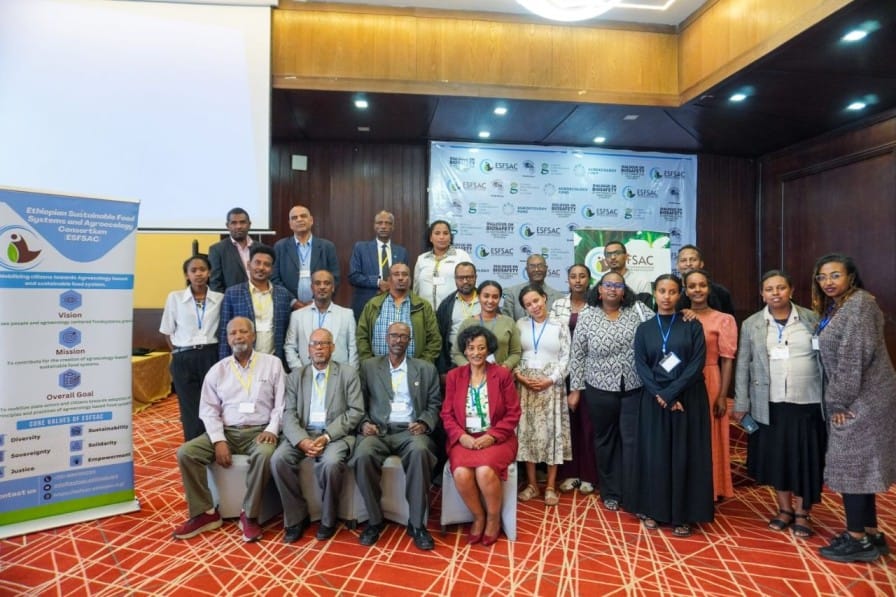

It is nice !!!