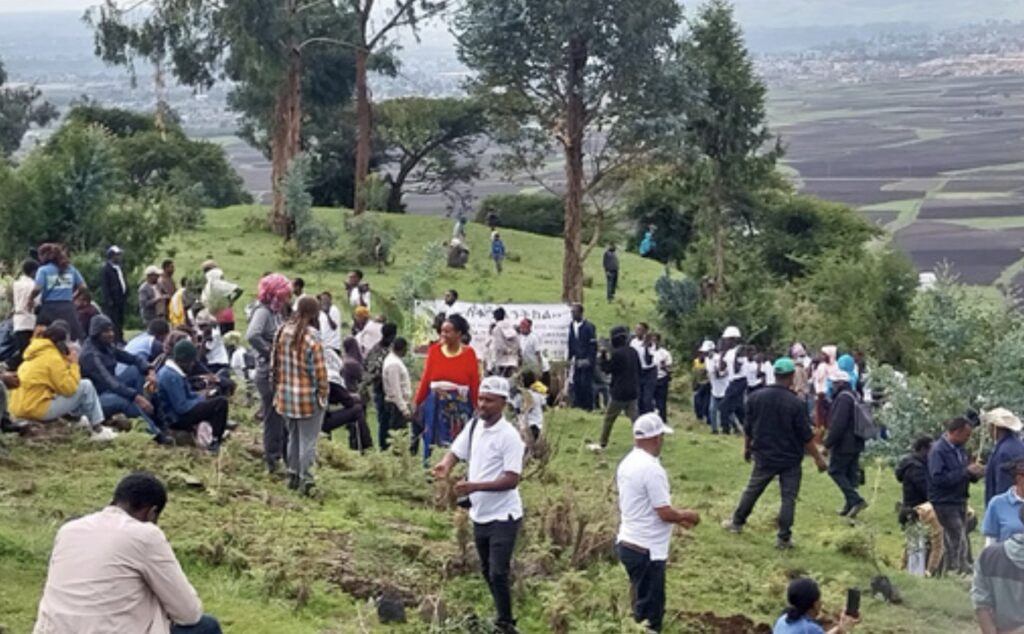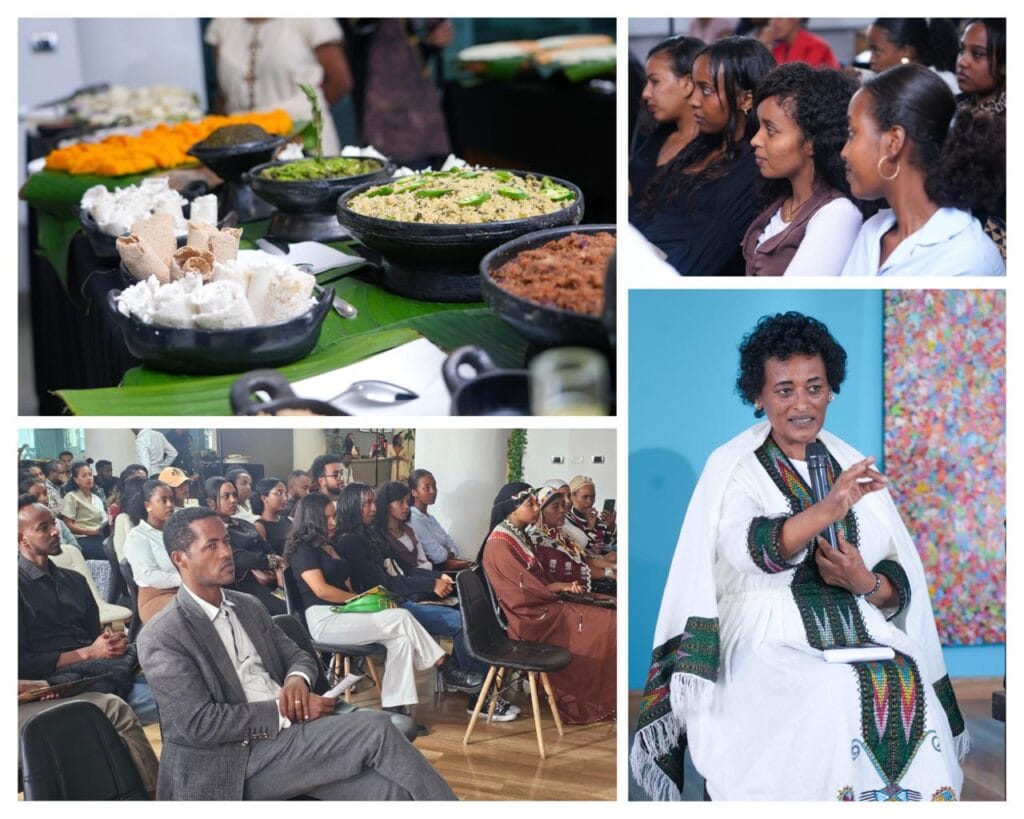
On 20 December 2025, Addis Ababa hosted a vibrant gathering that brought Ethiopia’s rich indigenous food heritage into the spotlight. The Indigenous Food, Culture Fair and Conference 2025, organised by the Ethiopian Sustainable Food Systems and Agroecology Consortium (ESFSAC) in partnership with the African Food Sovereignty Alliance (AFSA) and the Agroecology Fund, created a space for dialogue, experience, and celebration around local food systems.
The event brought together practitioners, policymakers, researchers, youth, and community representatives to reflect on the role of indigenous foods in shaping healthy diets, resilient food systems, cultural identity, and economic opportunity. At a time when food systems are increasingly influenced by imported and ultra-processed products, the conference served as a timely reminder that Ethiopia’s own food heritage holds solutions for both present and future challenges.
Indigenous foods at the centre of health and food sovereignty
Speaking at the event, Dr. Bayush Tsegaye, Executive Director of ESFSAC, emphasised that promoting indigenous foods directly complements national health, nutrition, and food security strategies. She highlighted the importance of appreciating, consuming, and advancing traditional foods not merely as cultural symbols, but as nutrient-dense, locally adapted, and sovereignty-affirming solutions.
Dr. Bayush also underlined ESFSAC’s commitment to supporting government efforts to build a healthy and productive society through local food systems. The call to increase production of indigenous crops and improve traditional foods through scientific and technological approaches resonated strongly throughout the discussions. The motto “My Food is Ethiopian”, aligned with the continental “My Food is African” initiative led by AFSA, captured the spirit of the event.
Policy perspectives and national alignment
The conference also benefited from strong policy engagement. Mr. Tesfaye Bango, Member of the Agricultural Affairs Standing Committee of the House of Peoples’ Representatives, stressed the need to prioritise indigenous foods over imported processed products, which often offer fewer health benefits.
He noted that ESFSAC’s work aligns with national initiatives such as the “Bounty of the Basket” programme, which aims to boost local food production, improve nutrition, and create economic opportunities. Such alignment, participants agreed, is crucial for ensuring that indigenous food knowledge is preserved, strengthened, and passed on to future generations.
Food, culture, and collective memory
Beyond policy and nutrition, panel discussions explored how indigenous foods reflect Ethiopia’s history, values, geography, and social life. Traditional foods were described as carriers of collective memory—linking generations through shared practices, tastes, and rituals. Panelists highlighted that many indigenous foods have longer shelf lives, are naturally nutrient-rich, and help prevent non-communicable diseases when compared to highly processed alternatives.
However, concerns were also raised about the declining consumption of indigenous foods, particularly among urban youth. Participants linked this trend to nutrition transition, rising health problems, and the erosion of food culture. The conference therefore called for innovative approaches to make indigenous foods more visible, accessible, and relevant—especially by integrating them into modern culinary spaces, hospitality sectors, and educational platforms.
Youth engagement and lived experiences
A key focus of ESFSAC’s broader initiative is youth engagement in revitalising indigenous food cultures. Throughout the event, discussions emphasised the need to bridge traditional knowledge with contemporary innovation—using research, technology, and creative storytelling to reconnect younger generations with their food heritage.
The conference concluded with a shared indigenous food tasting, facilitated and served by Werka Coffee, a well-known café-restaurant in Addis Ababa that blends specialty coffee culture with local dining experiences. The tasting offered participants a lived experience of how indigenous foods can thrive in modern, urban settings without losing their authenticity.
Looking forward
The Indigenous Food, Culture Fair and Conference 2025 reaffirmed that indigenous foods are not relics of the past, but essential components of healthy diets, resilient economies, and culturally rooted food systems. By bringing together diverse actors—from communities and youth to policymakers and researchers—the event strengthened collective commitment to advancing food sovereignty in Ethiopia.
As ESFSAC continues its work in partnership with AFSA, the Agroecology Fund, and other allies, the conversations and connections formed during this event will inform ongoing efforts to ensure that indigenous foods remain central to Ethiopia’s sustainable food future.